Deciding a fair outcome among close friends can sometimes turn into a prolonged debate, especially when everyone has strong opinions. Surrendering the final call to pure chance offers a surprisingly peaceful and entertaining resolution. By replacing personal bias with absolute probability, social groups can settle minor ties while maintaining harmony.
The Psychological Relief of Unbiased Decisions
When friends use random selection methods like drawing straws or flipping a coin, no single person carries the blame for the result. This neutrality instantly diffuses potential tension and keeps the atmosphere lighthearted and friendly. Social dynamics thrive when decisions feel impartial, allowing everyone to accept the outcome without resentment.
Psychologically, relinquishing control to chance provides immediate mental relief from decision fatigue. Instead of spending valuable time debating options, the group delegates the choice to a completely neutral mechanism. This enables participants to focus their energy on enjoying the activity rather than negotiating the terms.
Eliminating Social Bias and Favoritism
In group settings, conscious or subconscious preferences can easily sway choices toward the most vocal individuals. Utilizing a randomized approach levels the playing field completely, ensuring that every participant receives an equal probability of winning. This equal footing reinforces a sense of communal fairness that strengthens social bonds.
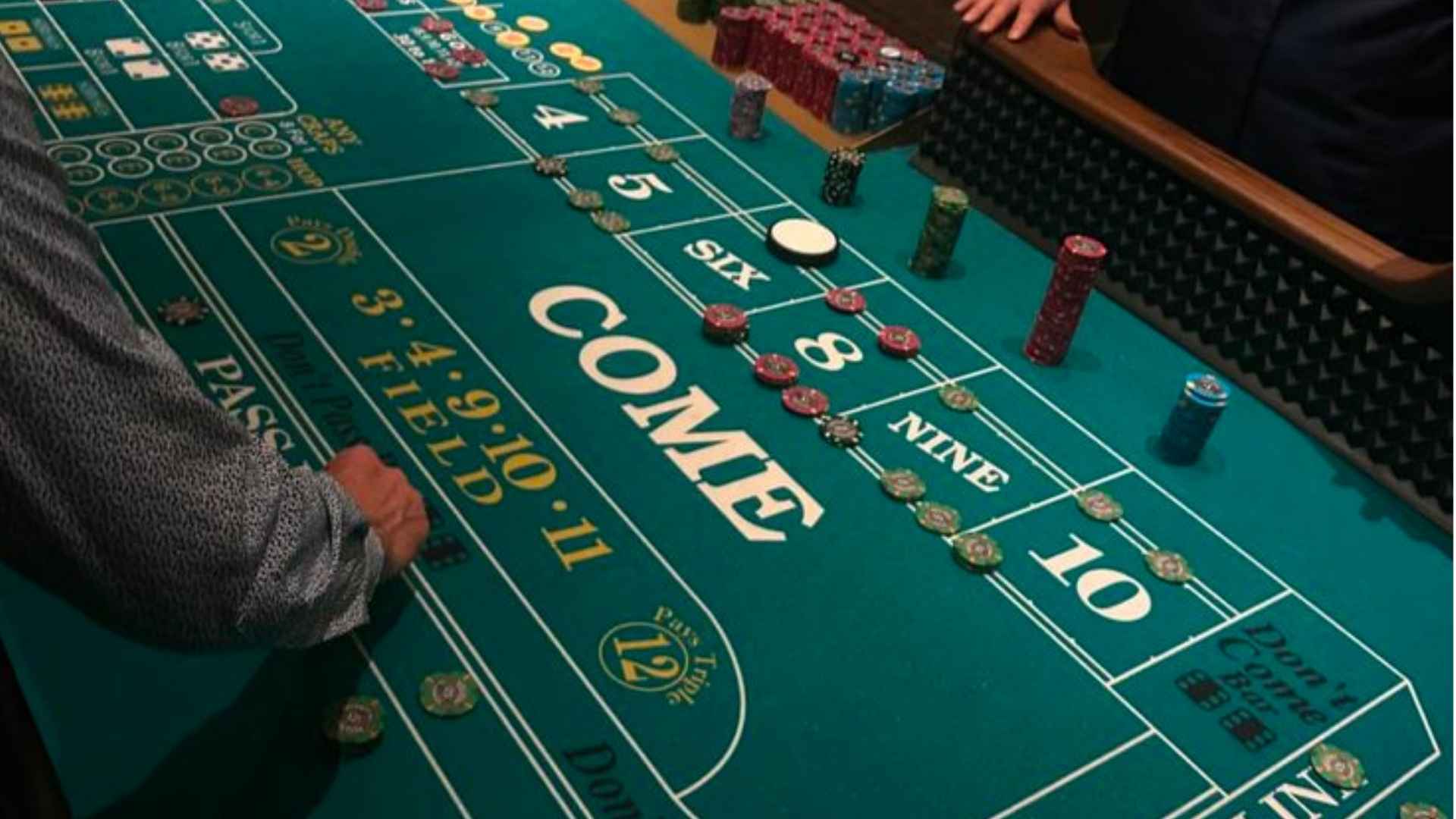
Transparent mechanisms allow all members to witness the moment of selection simultaneously. When individuals explore online interactive tools or access platforms like m88 login alternatif for casual entertainment, the appeal often lies in the visible fairness of randomized systems. In social groups, that same visible neutrality guarantees that no secret preferences altered the result.
Building Excitement Through Shared Anticipation
Beyond resolving deadlocks, introducing a randomized draw injects a sudden surge of drama into ordinary moments. Watching a wheel spin or waiting for a number selection creates a brief window of collective suspense that draws everyone together. The shared anticipation turns a basic selection process into a memorable mini-event.
This emotional rush elevates simple choices like picking a driver or selecting a game into shared social memories. Because no one can predict the final result, the reveal creates genuine laughter and playful reactions. The unpredictable nature of the draw adds value to the experience that a simple vote could never replicate.
Streamlining Group Dynamics in Daily Life
Implementing chance mechanisms simplifies everyday coordination, making group planning far more efficient. Whether deciding on a dinner venue or picking a giveaway winner among peers, randomness provides a definitive end to endless discussions. It sets a clear boundary that allows the group to move forward immediately.
Ultimately, chance serves as a valuable tool for preserving friendship and encouraging spontaneous fun. By choosing to let probability decide, groups prioritize collective enjoyment over individual preferences. Embracing randomness reminds us that the process of deciding can be just as entertaining as the final outcome.