The layout of a classic baccarat table reflects a sophisticated architecture where physical seating directly influences the social dynamic of the game. Long before digital interfaces standardized casino entertainment, the arrangement of participants in elite gaming salons dictated their specific table duties. Understanding the meaning of physical placement reveals how early variations of this historic pastime relied heavily on communal participation rather than automated actions.
The Spatial Dynamics of the Elegant Baccarat Layout
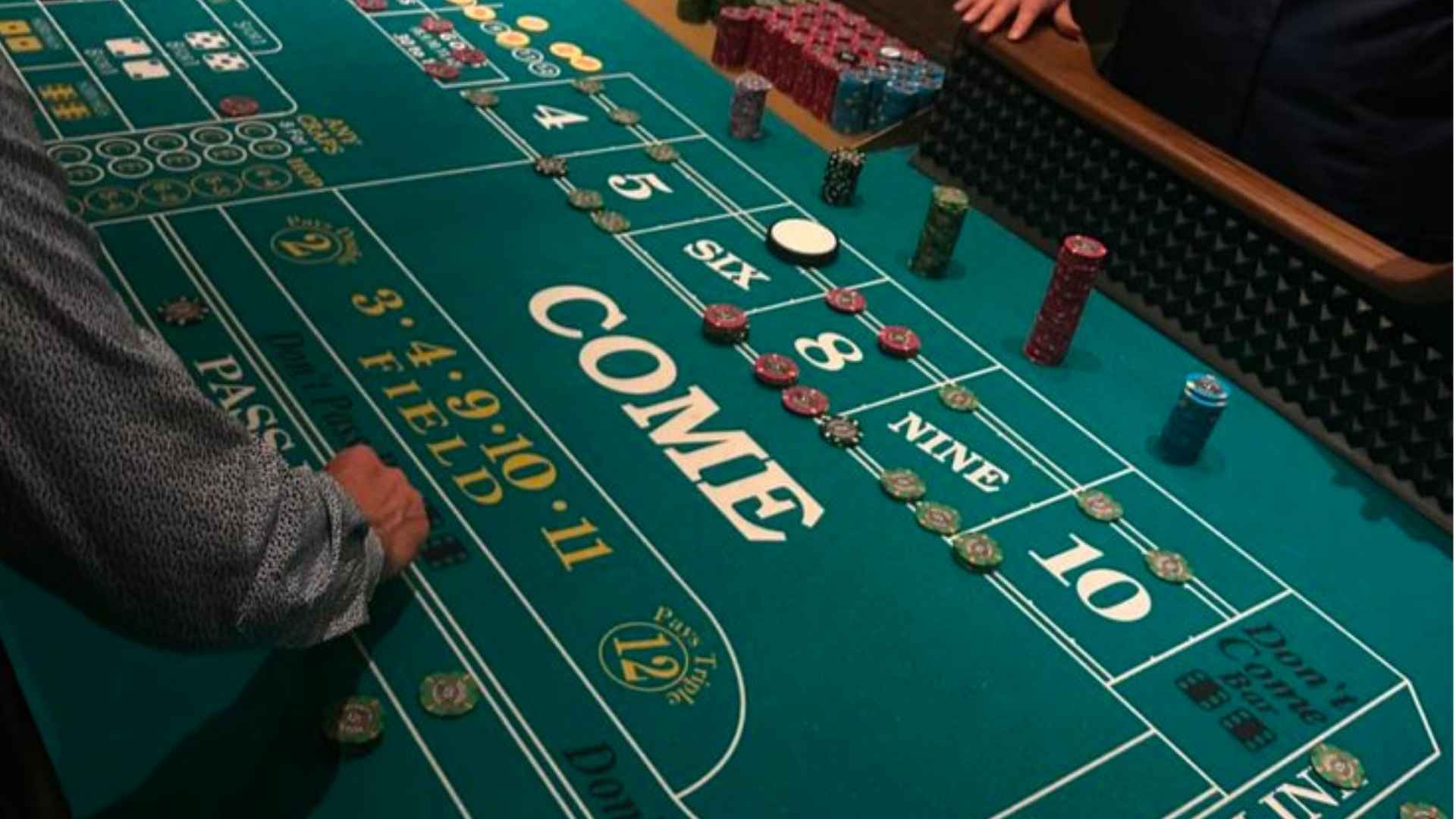
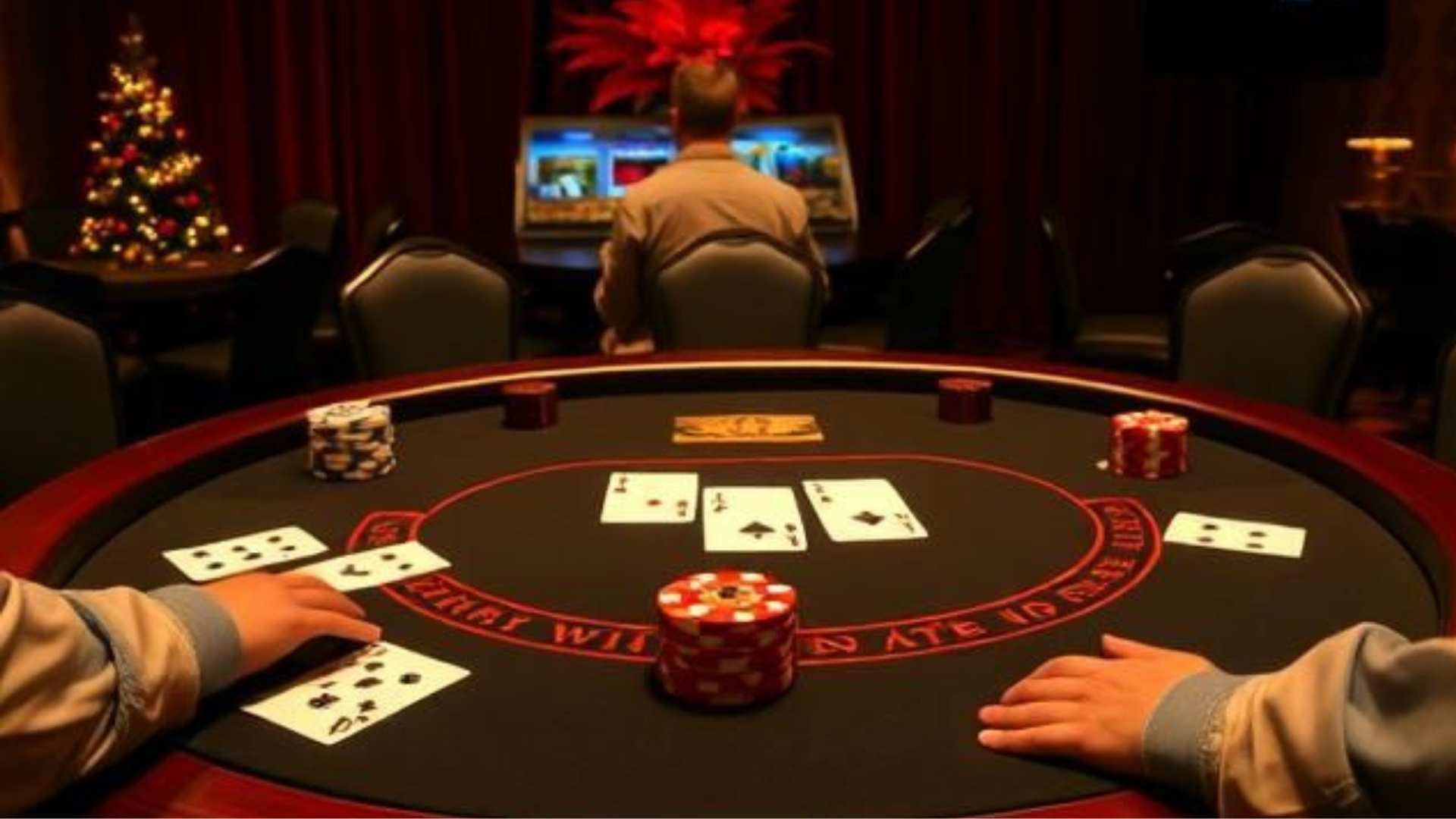
Traditional tables were designed as large, semi-circular structures that allowed a dozen or more participants to sit comfortably around the dealers. Each number on the green felt signified a distinct station that assigned specific responsibilities during a high-stakes round. This spatial arrangement ensured that every individual remained deeply connected to the visual flow of the cards and the physical management of the table capital.
Unlike modern setups where players remain isolated, the historic configuration turned the physical room into a collaborative theater. Seating proximity to the croupier altered how smoothly data was observed, turning simple observation into a vital tactical tool. The rhythm of card distribution was deeply intertwined with these physical points, establishing an environment built on mutual accountability.
How Physical Proximity Shifts Operational Responsibilities
In older European variants such as Baccarat Banque, a participant's location directly determined their eligibility to assume the banking role. The privilege of managing the funds often rotated systematically among the distinct sectors of the semi-circle. This mechanic introduced unique psychological demands, as different stations faced varying levels of financial exposure throughout the evening.
Those sitting closest to the center often shouldered the burden of making critical card-drawing choices on behalf of their entire side. While contemporary enthusiasts frequently look for modern platforms like a premium boss29 slot to enjoy fast-paced gaming, historic formats required direct interpersonal assessment. Your physical station dictated whether you were a passive observer or a primary decision-maker whose choices affected the entire community.
The Hidden Tactical Value of Observation Points
Evaluating table conditions under intense social pressure required a clear line of sight across the entire layout. Seating placement changed how easily a participant could read the subtle physical cues of the banker or opposing representatives. This environmental recognition allowed veteran table enthusiasts to manage risk intuitively without relying on rigid formulaic frameworks.
The flow of information was never uniform, meaning that peripheral positions faced different psychological stresses than central seats. By understanding how these spatial perspectives altered the game, historic players could better appreciate the strategic depth beneath a simple comparison of card values. The subtle differences in timing and viewpoint transformed a randomized trial of chance into a deeply engaging contest of positioning.
The Long Legacy of Historic Table Traditions
While contemporary digital versions maximize raw efficiency and speed, studying ancient spatial customs provides invaluable historical context. The mathematical tension of aiming for natural totals remains identical, but the human infrastructure has evolved dramatically. Uncovering the importance of seating reminds us that classic card rooms prioritized human connection and structural etiquette over sheer transaction velocity.
Ultimately, the physical framework of the traditional baccarat setting showcases an era when community engagement shaped every single round. Recognizing the historical shift from active player-controlled positions to fully centralized corporate houses gives players a complete perspective on global gaming history. This rich legacy continues to fascinate researchers who appreciate the perfect balance between architectural design and strategic gameplay.