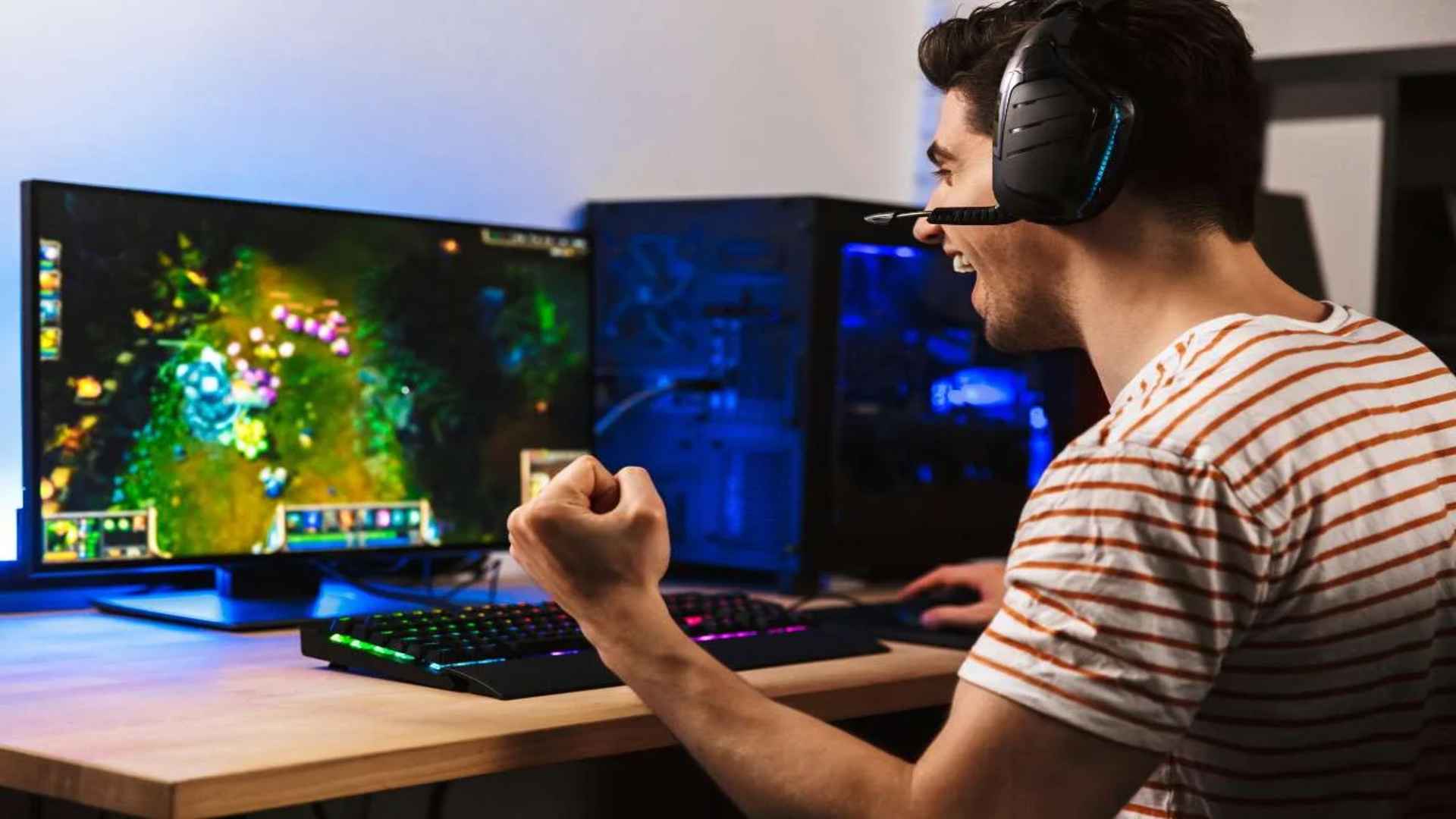
The modern digital landscape has witnessed a profound evolution in how multiplayer video games challenge groups of players. Rather than relying purely on individual mechanical reflexes, contemporary titles place a heavier emphasis on collective strategy and synchronized execution. This shift ensures that victory belongs to teams that communicate effectively and build balanced tactical structures together.
The Core of Tactical Synchronization
Achieving success in high-stakes multiplayer environments requires more than just raw individual talent. Teams must learn to integrate different character roles seamlessly to counter complex strategies deployed by their opponents. When every player understands their specific responsibilities, the entire group operates as a single, highly efficient unit.
Furthermore, tactical synchronization relies heavily on clear communication channels during fast-paced matches. Group coordination minimizes errors and allows individuals to adapt to unexpected shifts in real time. Overcoming these dynamic challenges together ultimately yields a much more rewarding competitive experience for everyone involved.
Elevating Performance Through Advanced Strategies
To consistently secure victories in modern gaming landscapes, players often seek sophisticated training methods and performance hubs. Exploring dedicated spaces can help you refine your understanding of complex game mechanics and structured team roles. You can check out M88 sports to discover analytical insights that help elevate group performance across various digital formats.
Understanding advanced strategies allows competitive squads to predict opponent behavior and plan actions multiple steps ahead. This high level of tactical foresight turns chaotic encounters into calculated victories. Dedicated practice and systematic review of past matches help groups polish their overall team execution.
Balancing Roles for Maximum Efficiency
A balanced roster is vital for any team hoping to dominate skill-driven multiplayer arenas. Every member must choose complementary abilities that fill specific tactical gaps within the group composition. Relying on a lopsided strategy often leaves a squad vulnerable to versatile opponents who know how to exploit weaknesses.
Effective role distribution also fosters a supportive environment where players learn to trust each other's decisions. Trust allows individual members to focus entirely on their tasks without second-guessing their teammates. This mutual reliance is the foundation of long-term competitive excellence in online gaming.
The Evolution of Competitive Matchmaking
Modern gaming systems continuously refine matchmaking algorithms to pit well-coordinated teams against worthy adversaries. These balanced environments ensure that matches remain highly competitive and intellectually stimulating. Facing equal opposition pushes squads to innovate and constantly discover fresh gameplay methodologies.
As the competitive ecosystem evolves, the demand for sophisticated group play will only continue to rise. Future titles are expected to introduce even deeper layers of cooperative mechanics that reward strategic thinking. Embracing these changes prepares modern gaming communities for the next generation of digital teamwork.